
Story 87September 1–14, 2026
Welsh wildfires erased an estimated 4,000 years of soil carbon
Bangor University scientists estimated that a Welsh wildfire site lost about 10 centimetres of soil and an organic layer representing roughly 4,000 years of stored carbon.
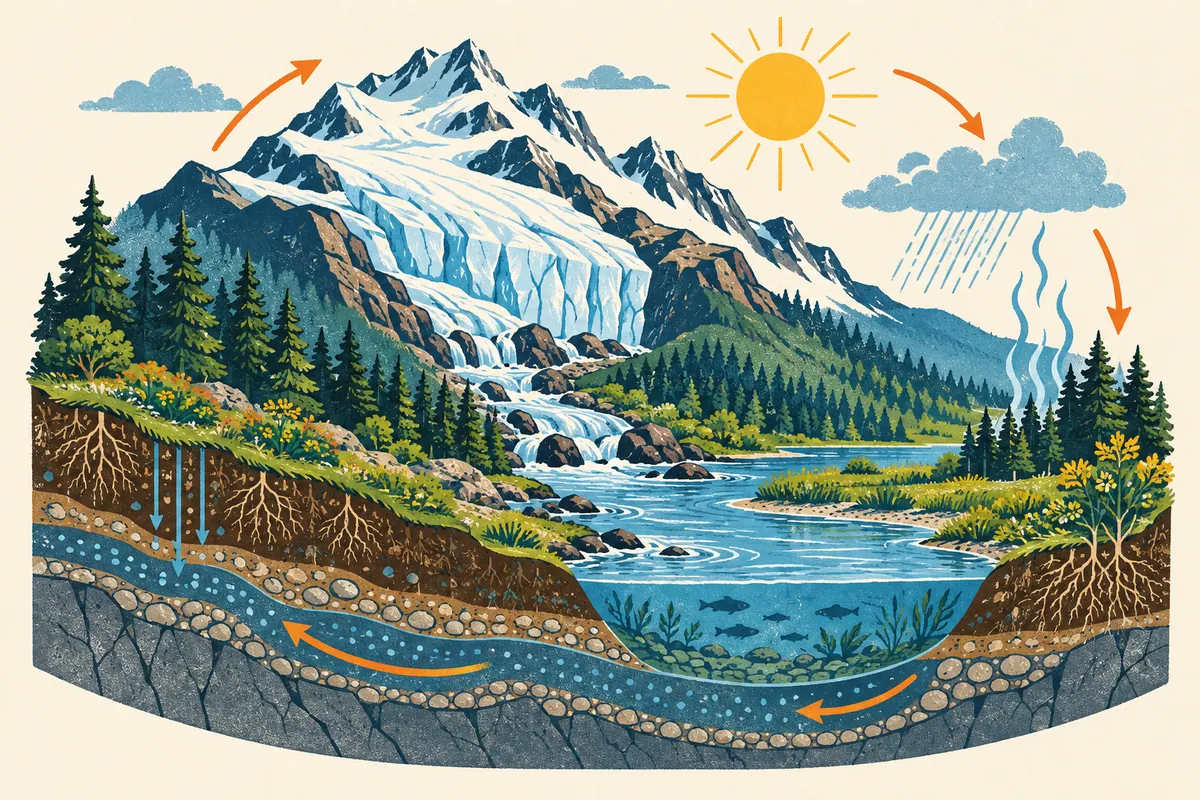
What happened
Bangor University scientists reported that severe summer wildfires in Wales caused much more damage below ground than was visible. At one site, researchers estimated that about 10 centimetres of soil and its organic layer—roughly 4,000 years of stored carbon—had been lost, while northern Wales fires affected about 2,760 acres.
Why this date is used: study · September 13, 2026
The pieces to keep in view
Turn the facts into a thought
Expository
Explain soil formation, carbon storage, water infiltration, erosion and wildfire feedbacks.
Original oratory
Wildfire policy should measure hidden soil damage because rebuilding a forest cannot replace ancient soil overnight.
Why it matters
Soil loss increases erosion and flooding risk, reduces carbon and nutrient storage, harms habitats and can make recovery and land management expensive.
What is unusual
A short-lived fire can destroy a soil layer that took thousands of years to form, making an invisible loss more permanent than the blackened landscape suggests.
A judge may ask
Soil can sometimes recover, and a single dramatic estimate may not represent every fire.
Strengthen the reasoning
Accept the site-specific limit, then explain why slow formation time makes prevention and targeted restoration rational.
Suggested age
10+ guidance
For younger students
Use a soil jar demonstration and discuss why roots, water and tiny organisms matter after fire.
Discussion starter
Why might planting new trees not immediately repair burned land?
Sources and limits
The 4,000-year estimate is a site-specific scientific estimate from a survey of summer fires; it is not a claim that every burned hectare lost the same amount.