
Story 86September 1–14, 2026
Himalayan glaciers are losing mass 65% faster than a decade ago
A Systemiq report said glaciers in the Himalaya-Karakoram region are losing mass 65 percent faster than a decade ago.
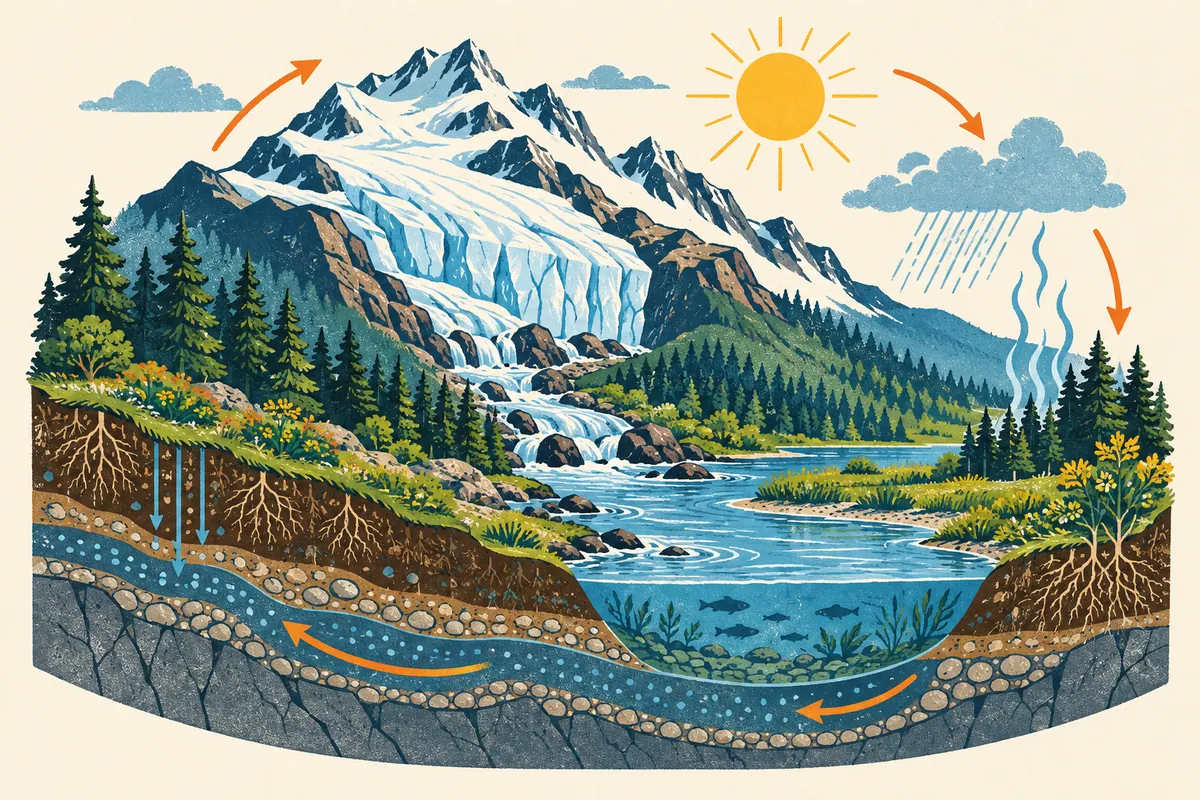
What happened
A Systemiq report with contributions from regional Himalayan institutions said glaciers in the Himalaya–Karakoram region are losing mass 65% faster than a decade ago. BBC reporting says only about 21 of an estimated 40,000 glaciers are monitored in detail, while Himalayan water supports roughly 20% of India’s GDP and hundreds of millions of people downstream.
Why this date is used: study · September 13, 2026
The pieces to keep in view
Turn the facts into a thought
Expository
Explain glacier mass loss, glacial-lake outburst risk, peak water and downstream dependence.
Original oratory
Investing in Himalayan monitoring is basic economic protection, not optional mountain research.
Why it matters
Faster glacier loss can alter seasonal water supplies, flood risks and planning needs. Estimates of economic dependence are not forecasts that a corresponding share of GDP will disappear; the scale of future harm depends on location, timing and adaptation.
What is unusual
A distant mountain system functions like a giant water-storage system and an economic engine, yet most of its individual glaciers are not continuously monitored.
A judge may ask
Report estimates vary, and countries may disagree over data, responsibility and who should pay.
Strengthen the reasoning
Use the report’s specific limits, distinguish shared benefit from political blame, and propose transparent regional data sharing.
Suggested age
10+ guidance
For younger students
Use a reservoir analogy and a map of rivers; avoid overwhelming students with country-level disputes.
Discussion starter
What shared resource in your community needs better measurement?
Sources and limits
The GDP estimate and monitoring count come from the new report; they describe dependency and capacity, not a prediction that all Himalayan water or economic activity will disappear.