
Story 72September 1–14, 2026
Britain’s £70bn grid upgrade risks £7.8bn in annual costs if delayed
Britain's National Audit Office warned that delays to a £70bn grid-modernisation programme could raise annual constraint costs to £7.8bn by 2030.
What happened
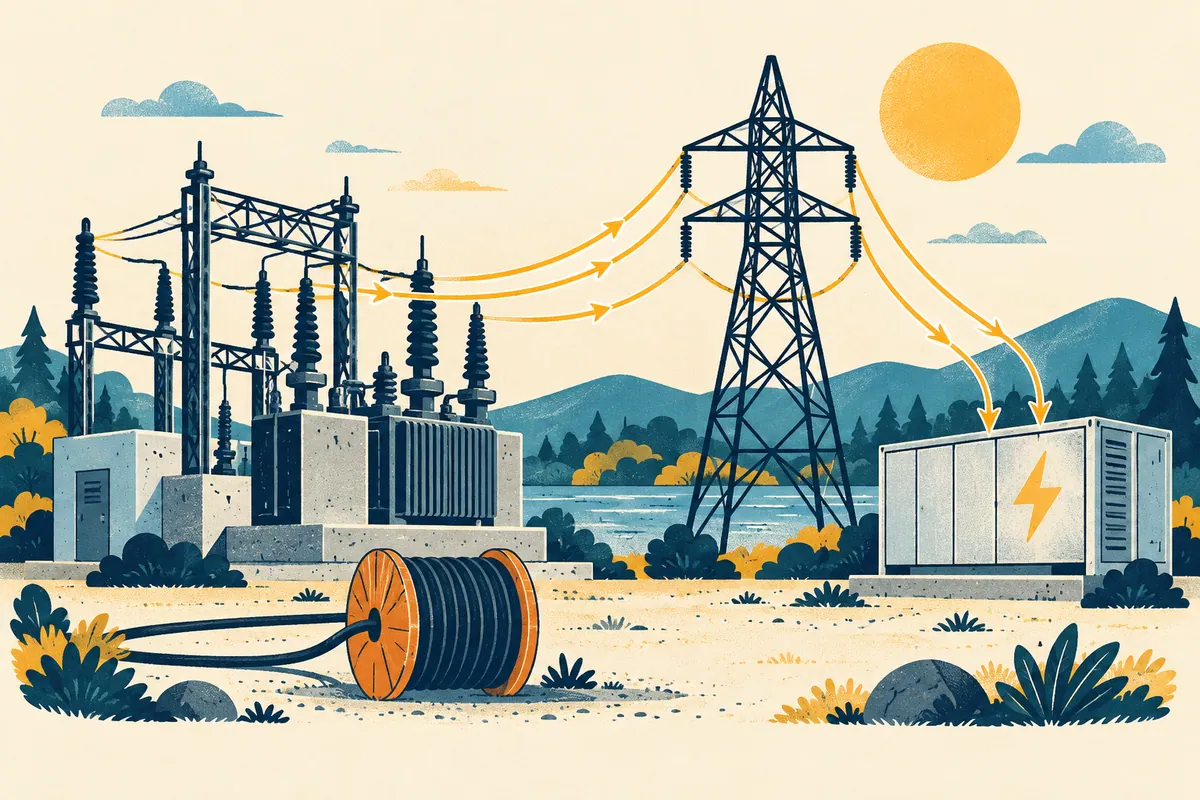
The Guardian reported that Britain’s National Audit Office warned delays threaten a £70bn programme to modernise pylons, overhead lines and substations so the grid can carry more wind and solar power. Constraint costs reached £1.9bn in 2025–26 and could rise to £7.8bn a year by 2030 if upgrades fall behind, with costs passed to consumers.
Why this date is used: investigation · September 11, 2026
The pieces to keep in view
Turn the facts into a thought
Expository
Explain transmission bottlenecks, curtailment, grid charges, pylons and why generation and delivery must grow together.
Original oratory
Britain should publish staged grid-upgrade milestones and delay penalties so households can judge the cost of inaction rather than rely on one forecast.
Why it matters
Grid delays can raise bills, prolong gas dependence, slow renewable connections, reshape rural landscapes and affect economic growth and energy security.
What is unusual
Clean power can be available in one part of a country yet effectively wasted because the wires needed to carry it elsewhere have not been built.
A judge may ask
Delaying construction can also avoid expensive infrastructure that may become unnecessary as technology and demand change.
Strengthen the reasoning
Compare the cost of building with the cost of curtailment, fossil-fuel exposure and delay, using ranges rather than certainty.
Suggested age
10+ guidance
For younger students
Build a paper ‘electricity road’ map from a windy area to a city and show where bottlenecks occur.
Discussion starter
What happens when a resource exists but there is no safe way to deliver it?
Sources and limits
The £70bn is an investment estimate, not a bill arriving all at once; £7.8bn is the NAO’s upper estimate for annual constraint costs by 2030 if delivery is too slow.