
Story 60September 1–14, 2026
Natural climate feedbacks may add an estimated 0.2–0.4°C by 2100
A study reported that warming can change forests, wetlands, lakes, and permafrost so they release additional methane and carbon dioxide, estimating an added 0.2 to 0.4 degrees Celsius by 2100.
What happened
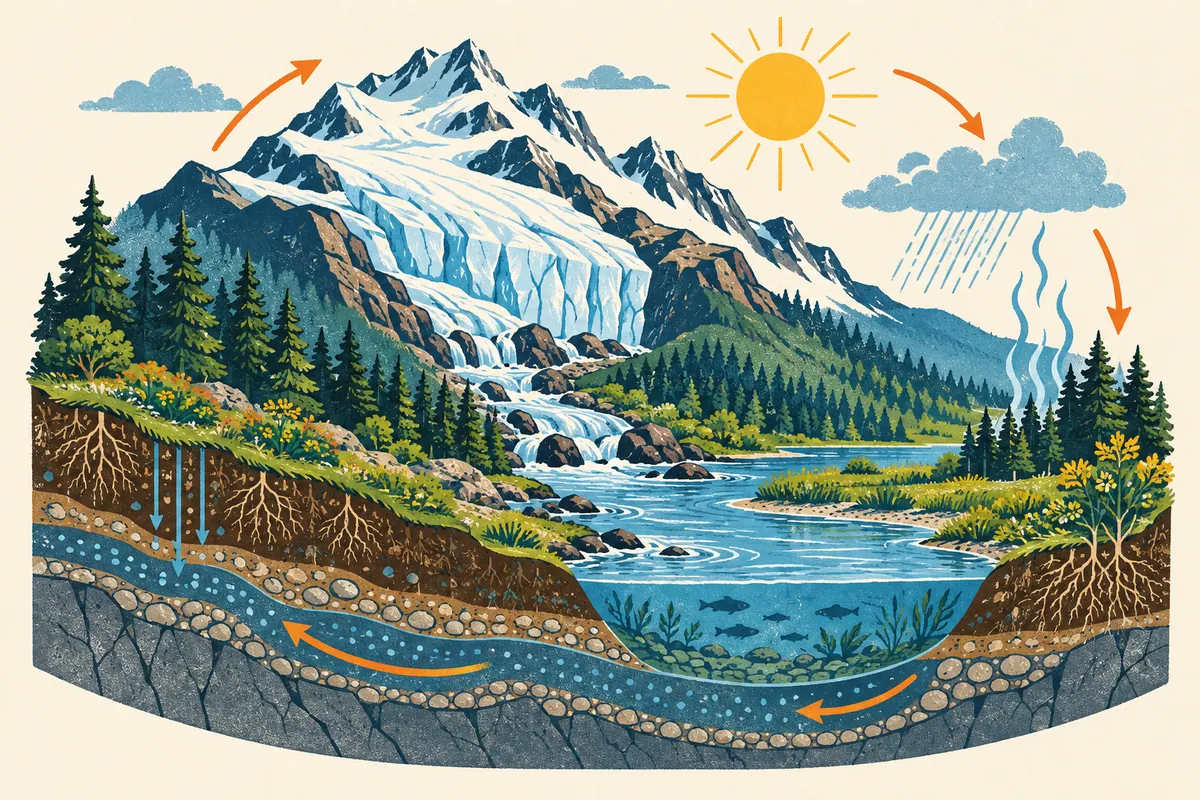
A study reported by the Guardian finds that warming is changing forests, wetlands, lakes and permafrost so they release additional methane and carbon dioxide. The authors estimate these natural feedbacks could add about 0.2–0.4°C by 2100; in their scenarios, that corresponds to roughly a 20–30% amplification of warming depending on human emissions.
Why this date is used: study · September 10, 2026
The pieces to keep in view
Turn the facts into a thought
Expository
Explain positive feedback using permafrost, wildfire, wetlands and methane as a chain of causes.
Original oratory
Climate plans should stress-test plausible natural feedbacks and publish uncertainty ranges before committing infrastructure.
Why it matters
If confirmed, climate models and emissions budgets may be too optimistic, affecting infrastructure planning, food and water security, disaster risk and international policy.
What is unusual
The climate system can turn parts of the natural landscape into a new source of warming, creating a feedback rather than a simple one-way pollution problem.
A judge may ask
The estimate is model-dependent, and overstating uncertainty could make audiences distrust climate science.
Strengthen the reasoning
Distinguish risk stress-testing from treating the upper modeled estimate as certain; compare the costs and benefits of robust choices across the range.
Suggested age
12+ guidance
For younger students
Use a simple snowball or thermostat analogy and focus on why scientists compare several possible futures.
Discussion starter
What could happen if a problem makes itself grow faster?
Sources and limits
This is a new study’s estimate, not a measured extra temperature increase; the size of each feedback remains uncertain and depends on future emissions.