
Story 41September 1–14, 2026
Canada’s retaliatory tariffs on US goods take effect
Canada imposed tariffs on about $20 billion of US goods after trade talks collapsed.
Content note: This story includes public policy or political conflict. Keep discussion focused on the evidence; students do not need to share personal experiences.
What happened
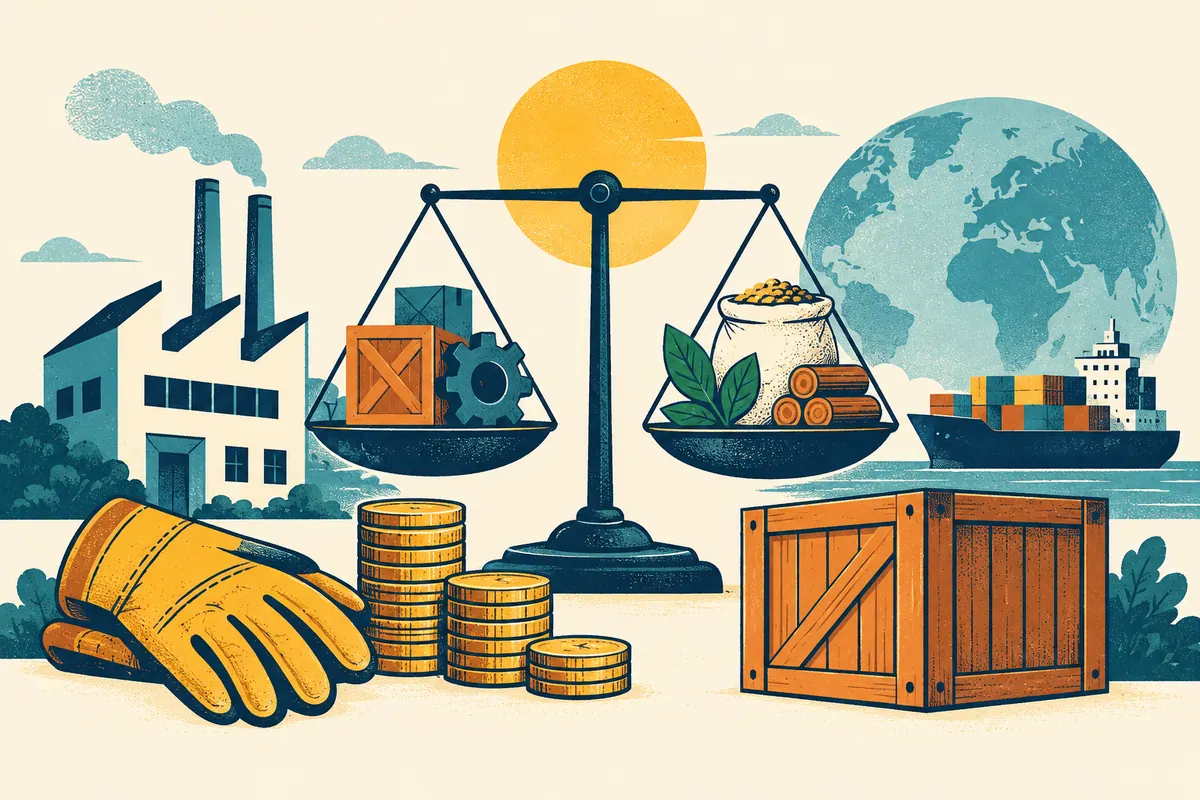
Canada imposed tariffs on about $20 billion of US goods after trade talks collapsed. Duties ranged from 15% to 50% and covered steel, furniture, clothing, electronics, appliances, motorcycles and dairy products.
Why this date is used: event · September 8, 2026
The pieces to keep in view
Turn the facts into a thought
Expository
Explain how tariffs move through importers, businesses and household prices.
Original oratory
Trade policy should publish its likely household costs before leaders impose broad tariffs.
Why it matters
Importers, manufacturers, farmers and shoppers can face higher costs; uncertainty may reduce investment and strain the integrated North American supply chain.
What is unusual
Two neighboring allies with a long-standing free-trade agreement entered a broad tit-for-tat tariff fight.
A judge may ask
Governments cannot protect strategic industries without accepting some short-term price increases.
Strengthen the reasoning
Distinguish targeted temporary protection from open-ended escalation and ask who pays and who benefits.
Suggested age
10+ guidance
For younger students
Use toy imports and a pretend border fee to show why prices can change.
Discussion starter
If a product costs more because of a border fee, who should pay it?
Sources and limits
The tariff dispute was still developing, and exemptions or later negotiations could change which products ultimately bear the cost.