
Story 04September 1–14, 2026
Japan halves the default speed limit on narrow residential streets
Japan lowered the default speed limit from 60km/h to 30km/h on residential roads without a centre line or maximum-speed sign.
What happened
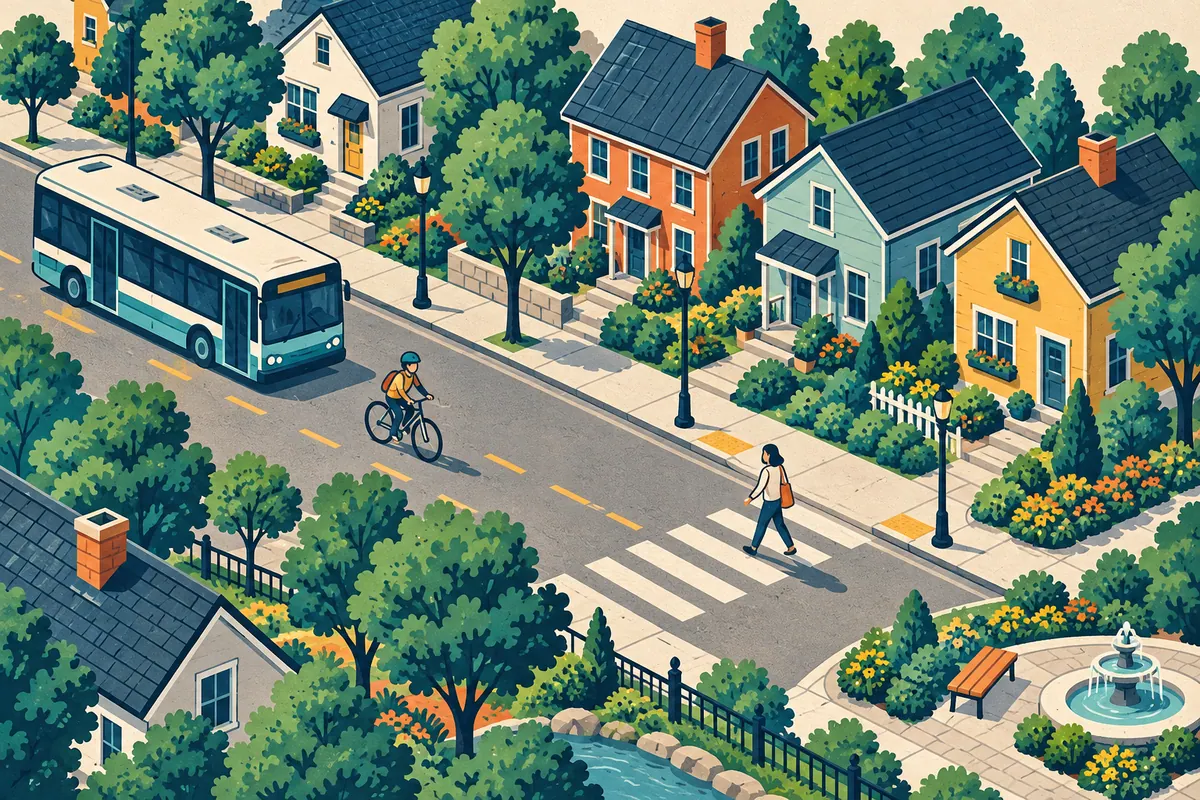
Japan’s default limit on residential roads without a centre line or maximum-speed sign fell from 60km/h to 30km/h. The rule covers about 870,000km of narrow general roads, where pedestrians, cyclists, children and older people share limited space with vehicles.
Why this date is used: policy change · September 1, 2026
The pieces to keep in view
Turn the facts into a thought
Expository
Explain speed, stopping risk, pedestrian mortality and shared-street design.
Original oratory
Neighbourhood rules should be designed around people who walk there, not only passing vehicles.
Why it matters
Drivers must slow down across many neighbourhoods, potentially reducing serious injuries while adding travel time and enforcement questions. Earlier zone-30 areas reportedly cut fatalities and serious injuries by 30%; the national result is unknown.
What is unusual
A country changed the default on most general roads by treating a street’s shape as a safety signal, even where no new sign appears.
A judge may ask
A blanket limit can slow emergency trips and responsible drivers on safe roads.
Strengthen the reasoning
Acknowledge access needs; consider exceptions, enforcement and street design rather than assuming one number solves all problems.
Suggested age
8+ guidance
For younger students
Use toy cars, paper road widths and reaction-time examples.
Discussion starter
What should a safe street feel like for someone walking?
Sources and limits
The article reports the rule and earlier zone results, not a completed national evaluation; compliance and enforcement matter.